
Pull-ups are one of the most rewarding movements in functional fitness. They build serious upper body strength, test your grip, and give you a tangible goal to chase. But getting your first pull-up, or adding more reps to your max, requires a smart progression strategy. Here’s how to build pull-up strength the right way.
Start with the Foundation
If you can’t do a full pull-up yet, that’s fine. Most people can’t when they start. The key is building the right foundation with movements that mimic the pull-up pattern. Dead hangs are a great starting point. They teach your body to support its own weight and build grip strength. Aim for 20-30 second holds and gradually increase the time.
Once you’re comfortable hanging, move to scapular pull-ups. These are small movements where you pull your shoulder blades down and together without bending your elbows. They teach you to engage your lats properly, which is essential for pull-up strength. Do 3-4 sets of 8-10 reps as part of your warm-up.
Use Assistance Intelligently
Resistance bands are your friend here. Loop a band over the bar and step into it. The band will take some of your bodyweight off, making the movement more manageable. Start with a thicker band and gradually work down to lighter resistance as you get stronger. Focus on keeping your core tight and pulling your chest to the bar, not just your chin over it.
Another great tool is the pull-up machine at the gym. It works the same way as bands but with adjustable weight. Reduce the assistance weight by 2-3 kg every couple of weeks. Consistency is more important than speed here. Pull-up strength builds slowly but surely.
Build Volume with Negatives
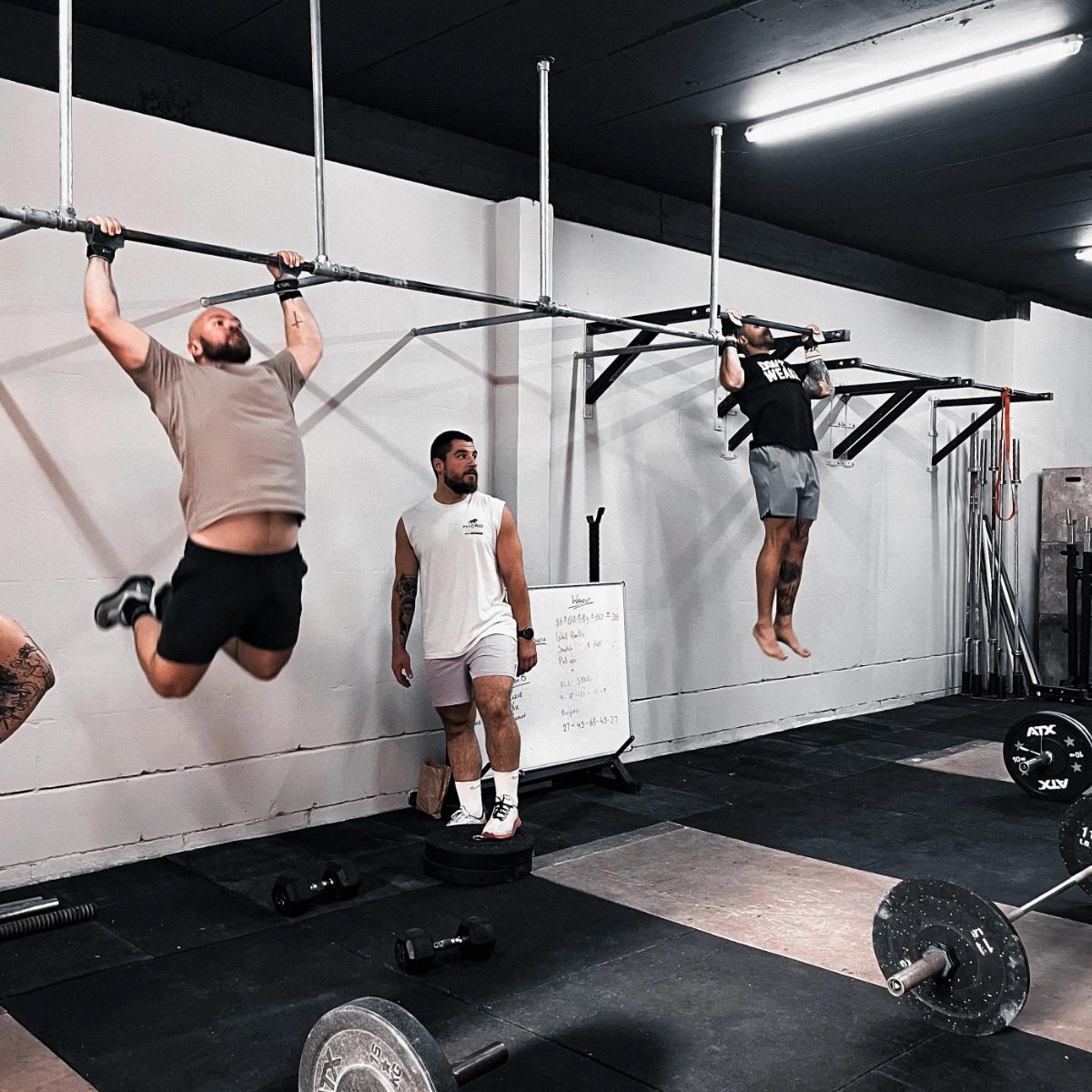
Negative pull-ups are one of the best ways to build pull-up strength. Jump or step up to the top position (chin over the bar), then lower yourself down as slowly as possible. Aim for 3-5 seconds on the way down. Your muscles are stronger eccentrically (lowering) than concentrically (pulling), so this allows you to train the movement pattern with more load.
Do 3-4 sets of 3-5 negatives, two or three times per week. Give yourself at least 48 hours of rest between sessions. Pull-up strength is built with recovery, not just volume.
Track Your Progress
Keep a simple log. Write down how many reps you did, what assistance level you used, or how long your hang was. Small wins add up. When you hit your first unassisted pull-up, it’ll feel incredible. And once you have one, getting to five or ten is just a matter of staying consistent with your progression strategy.
Pull-up strength doesn’t happen overnight, but it does happen. Stick with the process, and you’ll get there.
Check out our full class schedule here.