
The power snatch is one of the most demanding and rewarding movements in functional fitness. It builds explosive power, coordination, and full-body strength in a way that few other exercises can match. If you are working on your power snatch technique, understanding the mechanics will make the difference between a lift that feels athletic and one that feels like a battle.
What Makes Power Snatch Technique Different
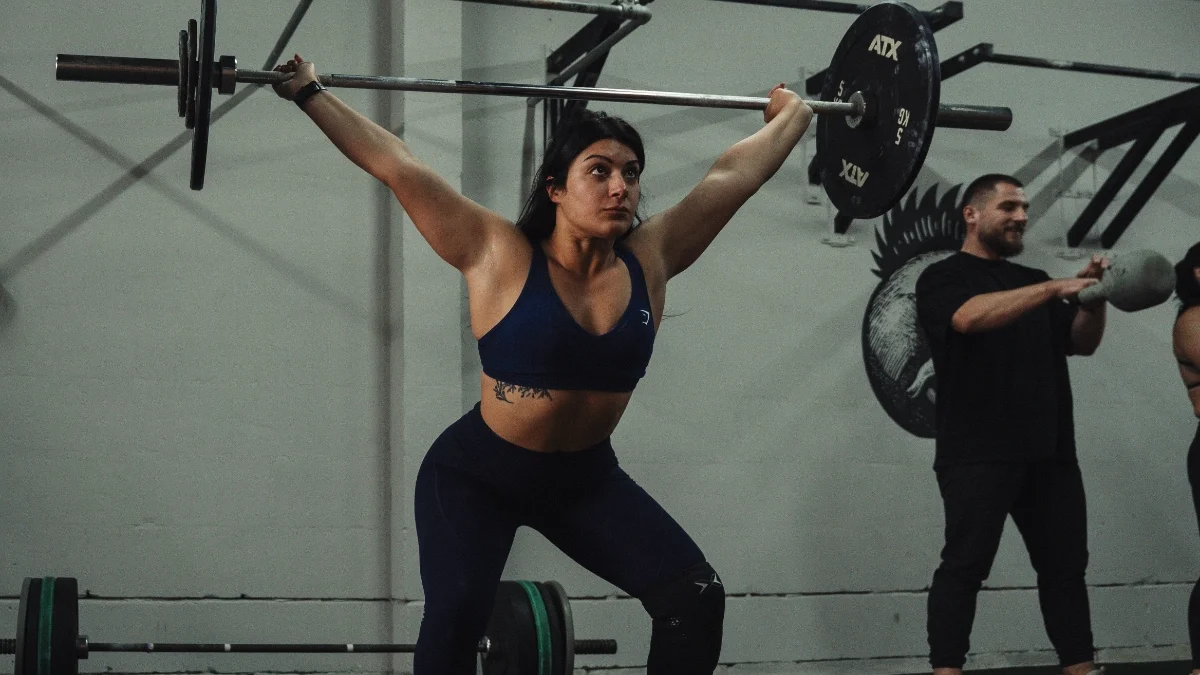
Unlike the full snatch, the power snatch is caught in a partial squat rather than a deep overhead squat. This makes it slightly more accessible for beginners while still demanding the same explosive pull and fast turnover under the bar. The height you pull the bar to is the same – the difference is where you meet it.
The movement breaks down into three phases: the setup and first pull off the floor, the explosive second pull through the hips, and the fast third pull where you punch under the bar and lock out overhead. Each phase builds on the last, and a breakdown in any one of them will show up in the catch.
Building Power Snatch Technique from the Ground Up
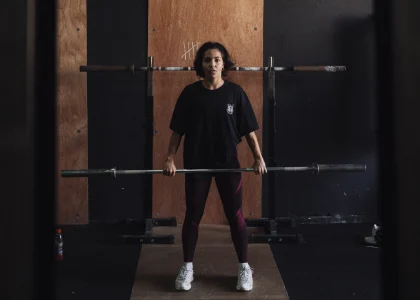
Start with the setup. Your feet should be hip-width apart, bar over the mid-foot, hips above the knees and below the shoulders. Keep your chest up and your lats engaged – think about protecting your armpits. A loose upper back at the start kills bar path before the lift even begins.
The first pull from the floor is controlled, not explosive. You are positioning the bar for what comes next. As the bar passes the knee, push your hips through aggressively. This is the second pull, and it is where your power comes from. The bar should stay close to the body throughout – if it swings away, you are losing energy.
The moment your hips extend fully, your job is to get under the bar as fast as possible. Pull your elbows high and wide, then punch the bar overhead and drop into your catch position. The arms lock out as you receive the weight, not after.
Common Power Snatch Faults and How to Fix Them
The most common fault is early arm bend – pulling with the arms before the hips have finished driving. The arms should stay straight until the hips are through. If you find yourself muscling the bar up, reduce the load and focus on the hip drive.
A second common issue is catching with soft elbows. When the bar is overhead, the arms need to be locked. Practice overhead stability work such as overhead squats and snatch balances to build confidence in the catch position.
Finally, watch your footwork. Many athletes jump their feet too wide on the catch. A slight stance widening is fine, but your feet should land in a stable, consistent position every rep.
Why Power Snatch Technique Is Worth the Work
The power snatch trains explosive hip extension, which carries over to almost every athletic movement – jumping, sprinting, and other barbell lifts. It also demands precise timing and coordination, which develops body awareness that transfers across all your training.
It is a technical lift, and it takes time. Work with a coach, film your lifts, and be patient with the process. Every session spent refining your power snatch technique is an investment that pays off across your whole game.
Check out our full class schedule here.