

Learning New Gym Movements: How Coaching Cues Speed Up Your Progress
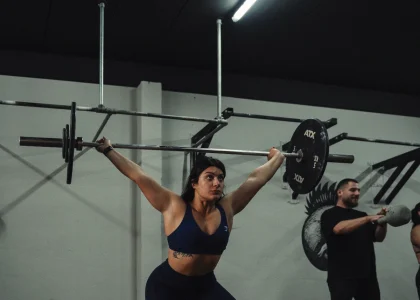
Learning a new movement in the gym can feel overwhelming. Whether it is your first snatch, your first muscle-up attempt, or even just trying to fix a broken squat pattern, the gap between knowing what to do and actually doing it can feel enormous. That is exactly where learning new gym movements through coaching cues makes all the difference. A good cue cuts through the noise and gives your body a single clear instruction it can actually act on.
Why Learning New Gym Movements Feels Hard at First
Your nervous system is cautious by design. When you attempt a movement pattern you have never done before, your body is essentially running unfamiliar software. Muscles fire in the wrong order, timing is off, and the whole thing feels awkward and uncoordinated. This is completely normal and has nothing to do with your potential.
The reason skilled coaching accelerates progress is that it shortens this awkward phase. Instead of trial and error over dozens of sessions, a precise cue – something like “push the floor away” for a squat or “elbows high and outside” for a clean – gives your nervous system a concrete anchor. You stop thinking about ten things at once and focus on one.
How Coaching Cues Make Learning New Gym Movements Stick
Not all cues work for everyone. A good coach knows this and will try different angles until something clicks. Some people respond to internal cues – instructions that direct attention to a specific body part, like “squeeze your glutes at the top.” Others respond better to external cues – instructions that focus on the outcome or environment, like “push the bar through the ceiling.”
Research in motor learning consistently shows that external cues tend to produce faster skill acquisition for most people. But the best cue is the one that produces the movement. When your coach tells you something and your body suddenly does the thing it was struggling to do, that is not magic. That is good communication meeting a nervous system that was ready to learn.
The Patience Part Nobody Likes to Talk About
Here is the honest truth about learning new gym movements: it takes repetition. Not just a few sessions – often weeks or months of consistent practice before a pattern feels natural and automatic. The science calls this motor engram formation, but you do not need to remember the term. You just need to keep showing up.
Frustration during this phase is part of the process. The athletes who progress fastest are not necessarily the most talented – they are the ones who stay curious instead of getting defensive when a coach gives them feedback. They treat every correction as useful data rather than criticism.
What You Can Do Between Sessions
Progress on technical movements does not only happen during class time. Deliberate practice with light loads – or even just bodyweight drills – done consistently will build the neural pathways you need far faster than only working on the skill once a week.
Ask your coach for one or two things to focus on and practice those specifically. Film yourself occasionally – watching your own movement with a critical eye is one of the most useful tools available and costs nothing. Compare what you feel you are doing with what the video actually shows. The gap between those two things is where most technical errors live.
Stay patient with the process. Every experienced athlete in your gym was once standing exactly where you are now, confused about the same movements, needing the same cues. The difference is time and consistency.
Check out our full class schedule here.