
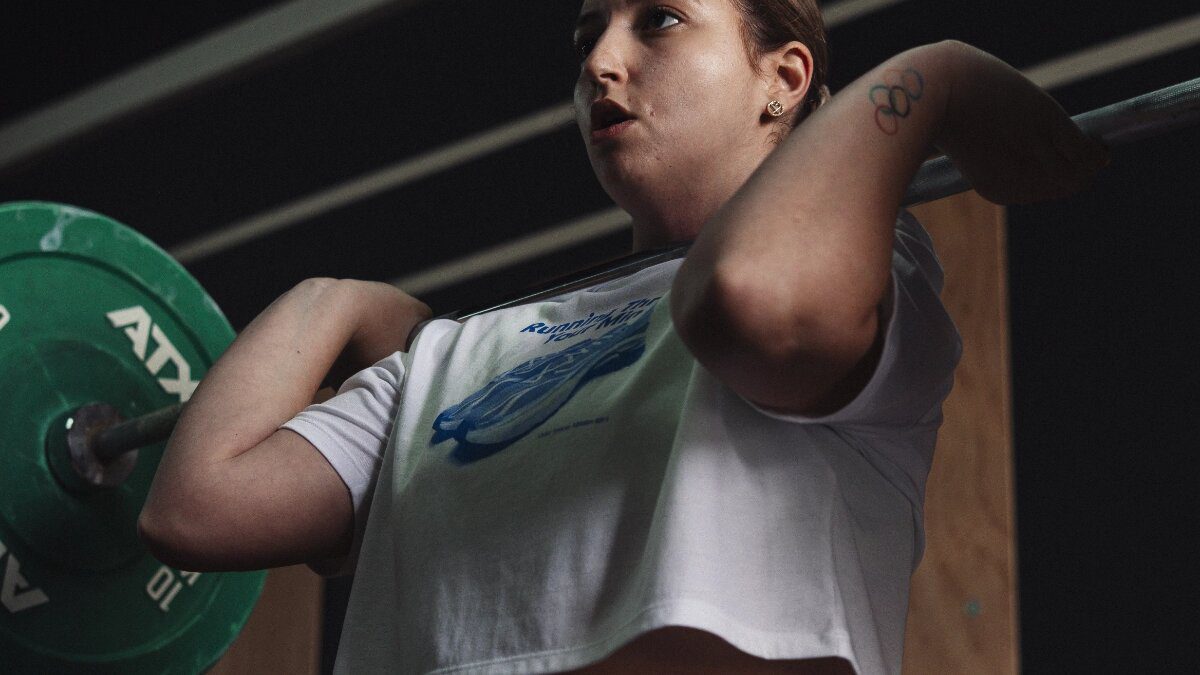
Mastering the front squat is a fundamental skill for any athlete looking to build serious lower body strength and core stability. Unlike the back squat, the front squat requires a more upright torso, which places a significant emphasis on the quadriceps and the upper back. Whether you are preparing for Olympic lifting or simply want to improve your functional fitness, learning to maintain proper position under load is essential for long-term progress.
Mobility requirements for the front squat
To perform the front squat effectively, you need adequate mobility in several key areas. The most common bottleneck is wrist and thoracic spine flexibility. If your upper back is rounded, the bar will pull you forward, making the lift significantly harder and increasing the risk of injury.
Start by warming up your lats and triceps to allow for a better rack position. If you find the traditional ‘clean grip’ too taxing on your wrists, you can use a cross-arm grip or lifting straps looped around the bar to help maintain control. Remember, the goal is to keep the elbows high throughout the entire movement. High elbows create a stable shelf for the barbell to sit on, ensuring the weight remains over your mid-foot.
Core stability and the front squat
One of the greatest benefits of the front squat is the demand it places on your anterior core. Because the weight is positioned in front of your body, your abdominal muscles must work overtime to prevent your torso from collapsing. This translates directly to better posture and improved performance in other movements like deadlifts and overhead presses.
When you descend into the squat, focus on ‘filling’ your torso with air to create intra-abdominal pressure. This bracing technique protects your spine and provides a rigid foundation for the lift. Keep your heels planted and drive upward through the middle of your foot. If you feel your hips rising faster than your shoulders, reduce the weight and focus on maintaining that upright chest position. Consistency with lower weights will eventually lead to much heavier, safer sets in the future.
Check out our full class schedule here.