
Mastering Your Overhead Squat Form: Tips for Better Mobility
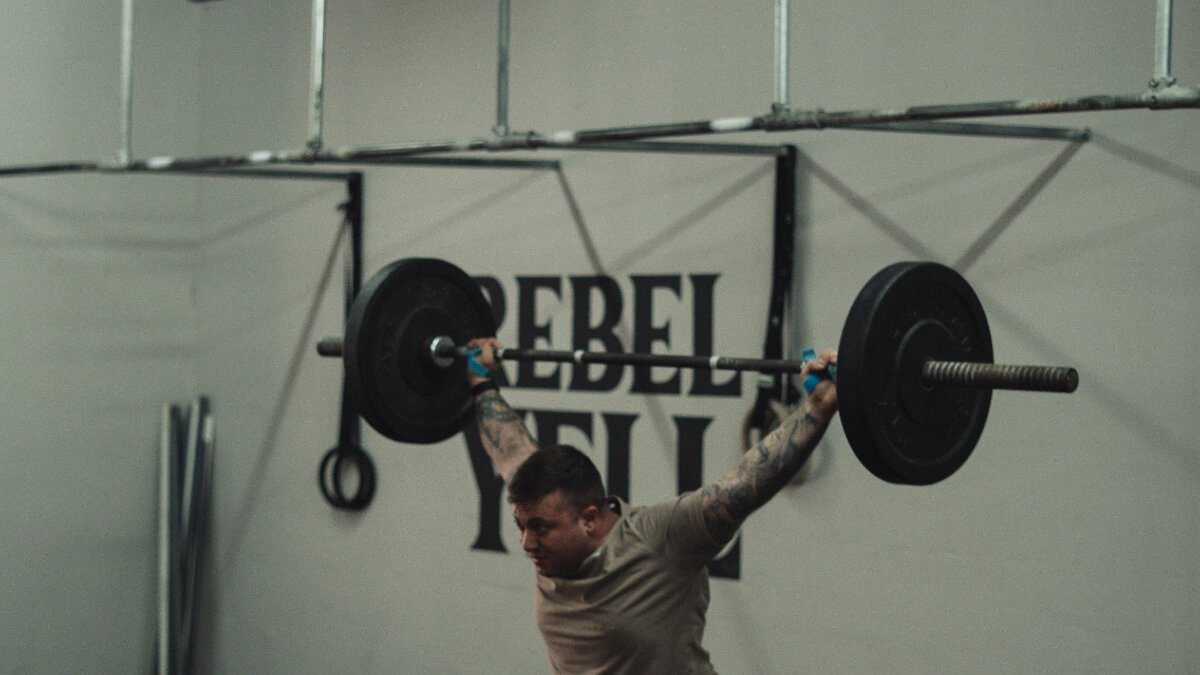
The overhead squat is often called the ultimate test of mobility and stability. It demands a rare combination of lower-body strength, core control, and upper-body structural integrity. Mastering Overhead Squat Form is not about how many kilograms you can throw over your head; it is about how well you can move under a load that exposes every minor weakness in your kinetic chain. For many athletes at Rebel Yell, this movement serves as the foundation for the snatch and a benchmark for overall athletic longevity.
Setting Up for Success
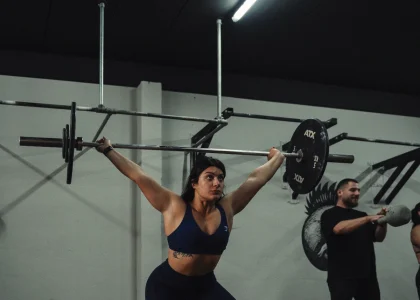
To develop rock-solid Overhead Squat Form, you must start with the setup. Position your feet slightly wider than shoulder-width with your toes turned out about 15 to 30 degrees. This creates space for your hips to sink deep while keeping your torso upright. The grip on the bar should be wide—wide enough that the bar sits in the crease of your hips when standing tall. When you press the bar overhead, think about “shrugging” your shoulders into the bar. This active shoulder position is non-negotiable; if your shoulders are soft, the bar will drift, and the lift will fail.
The Mechanics of the Descent
One of the most effective ways to improve your Overhead Squat Form is to focus on the bar’s path. The barbell must stay locked in a vertical plane directly over your midfoot. If the bar drifts even a few centimeters forward, the leverage shifts to your lower back and shoulders, making the weight feel twice as heavy. As you descend, send your hips back and down while simultaneously pushing your knees out to track over your toes. Maintain a proud chest and a tight midline. If you find your heels lifting or your torso leaning forward excessively, you likely need to work on ankle and thoracic mobility.
Common Pitfalls and How to Fix Them
Common mistakes often boil down to “passive” lifting. Avoid letting the elbows bend or the armpits rotate backward. Instead, keep your armpits facing forward and constantly “reach” for the ceiling. Practice with a PVC pipe or an empty 20 kg barbell until the movement feels autonomous. Remember, in a high-skill movement like this, technical precision beats raw intensity every time. By prioritising your Overhead Squat Form during your warm-ups and technical sessions, you build a robust frame that can handle heavy loads safely and efficiently. Keep the movement slow, stay braced, and own every centimeter of the squat.
Check out our full class schedule here.