

The Foundation of Strength: Mastering the Deadlift
Mastering the deadlift is a priority for anyone serious about functional strength. Often called the king of all exercises, the deadlift is the purest expression of human strength: picking a heavy object up off the ground. For the members of Rebel Yell, focusing on deadlift mechanics isn’t just about moving more kg; it is about building a resilient posterior chain, improving grip strength, and developing the kind of functional power that carries over into everyday life in Malta.
The Setup for Mastering the Deadlift
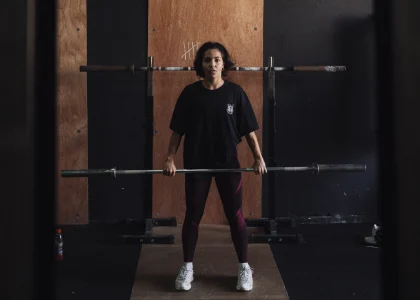
Everything starts with the setup. If you get this wrong, the lift is compromised before it even begins. Approach the bar so that it is positioned over the mid-foot. This is usually about 2 to 3 cm away from your shins when standing upright. Your feet should be about hip-width apart.
Hinge at the hips and grip the bar just outside your legs. Do not move the bar. Drop your hips until your shins touch the bar. At this point, your chest should be up, and your back should be flat. A common mistake is letting the hips drop too low, turning the movement into a squat. Keep those hips high enough to maintain tension in the hamstrings.
The Pull
Before you pull, you must “take the slack out of the bar.” Pull upward just enough to feel the weight of the bar against the plates without actually lifting it. Engage your lats by imagining you are trying to bend the bar around your shins. This stabilizes your spine.
Take a deep breath into your belly and brace your core. Drive through the floor with your legs. Think of it as pushing the earth away rather than pulling the bar up. Keep the bar in contact with your shins and thighs throughout the entire movement. The shortest distance between two points is a straight line; any deviation from your body increases the difficulty and the risk of injury.
Lockout and Reset
As the bar passes your knees, drive your hips forward to meet the bar. Finish in a tall, standing position with your glutes squeezed. Do not lean back at the top; this puts unnecessary stress on the lumbar spine.
To lower the weight, hinge at the hips first. Once the bar passes your knees, you can bend your legs to return the plates to the floor. Always reset for every rep. “Touch and go” reps have their place in high-intensity metcons, but for raw strength and technical proficiency, a dead stop is superior.
Final Thoughts
Consistency is key. Focus on form over weight. If your back begins to round, the set is over. Respect the movement, and the deadlift will build a level of strength you never thought possible.
Check out our full class schedule here.
For more technical standards on heavy lifting, visit British Weightlifting.